The Pulse of the Studio: How Often Should You Schedule Kiln Maintenance?
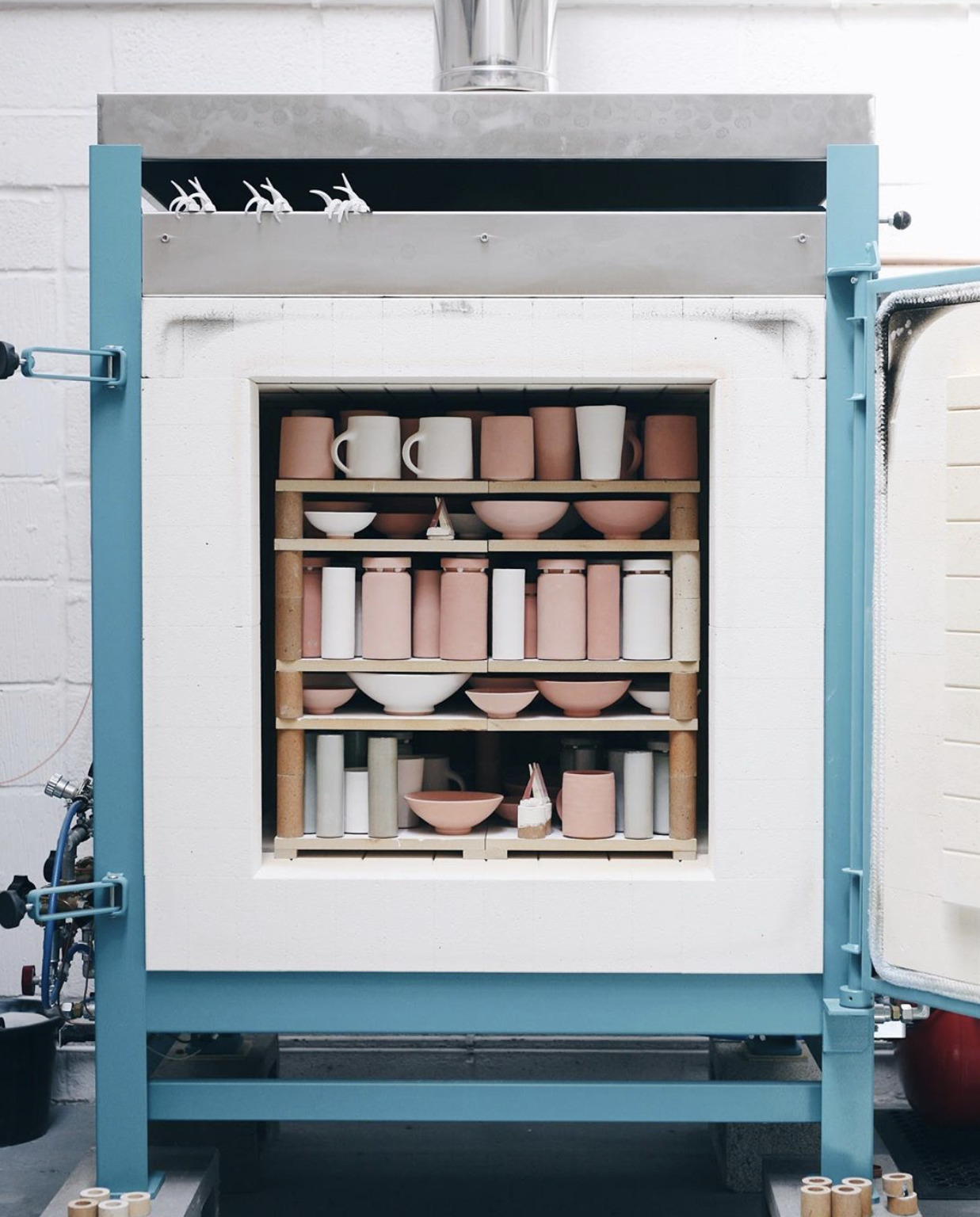
In a busy ceramic studio, the kiln is more than just equipment—it's the heart of the operation. Whether you are running a high-volume production space or a community classroom, your kilns are likely the most significant investment you've made.
Waiting for an "error" code to pop up mid-firing isn't just an inconvenience; it's a threat to your bottom line and your artists' work. To keep your studio running smoothly, you need a proactive maintenance strategy tailored to your specific volume.
Understanding the "Firing Lifecycle"
Maintenance isn't just about the passage of time; it's about thermal cycles. Every time a kiln heats and cools, the elements expand and contract, and the bricks undergo physical stress. Because of this, your schedule should be dictated by how often you fire.
1. Low Volume / Hobbyist Studios
Firing Frequency: 1–2 times per month.
Maintenance Schedule: Annual Check-up.
Even if you aren't firing daily, dust and humidity can affect electrical connections. An annual professional inspection ensures that your elements are still seated correctly and that your thermocouples haven't drifted in accuracy.
2. Mid-Volume / Boutique Production
Firing Frequency: 1–2 times per week.
Maintenance Schedule: Bi-Annual (Every 6 Months).
At this frequency, wear and tear begins to accelerate. Semi-annual maintenance allows you to catch "slumping" elements or fraying wires before they lead to an uneven fire. This is also the ideal time to vacuum out the floor channels and check for lid/floor cracks.
3. High Volume / Schools & Commercial Studios
Firing Frequency: 3+ times per week (or near-constant rotation).
Maintenance Schedule: Quarterly (Every 3 Months).
In high-production environments, the kiln rarely has time to rest. Quarterly maintenance is essential to prevent kiln element failure and to ensure that safety switches and relays are functioning under heavy loads.
Signs Your Kiln Needs Immediate Attention
Regardless of where you fall on the calendar, keep an eye out for these "Red Flags":
- Extended Firing Times: If your glaze fire is taking two hours longer than it did six months ago, your elements are likely worn out.
- Clicking Noises: Unusual clicking from the control box often signals a relay nearing the end of its life.
- Visible Element Bulging: Elements "crawling" out of their grooves can cause shorts or uneven heating.
- Discolored Wiring: If the wires connecting to your bus bar look charred or brittle, stop firing immediately.
The Real Cost: Preventative vs. Reactive
Many studio owners hesitate to book maintenance until something breaks. However, preventative kiln repair is consistently more cost-effective. A scheduled visit allows for:
- Combined Shipping: Ordering parts in bulk rather than paying for overnight shipping during an emergency.
- Zero Downtime: Scheduling repairs during studio breaks rather than cancelling classes.
- Energy Efficiency: Worn elements take longer to reach temperature, significantly increasing your monthly electricity bill.
Pro Tip: Keep a "Kiln Log" next to your controller. Tracking the number of firings and any "funky" smells or sounds makes it much easier for a technician to diagnose issues quickly.
Ready to Schedule?
At Clay RX, we specialize in keeping Los Angeles and Orange County studios in peak condition. Whether you need a one-time repair or an annual maintenance contract, we are here to ensure your only surprises are the beautiful ones coming out of the cooling kiln.